
Marty Newell: “Faith Was Always Part of the Story”
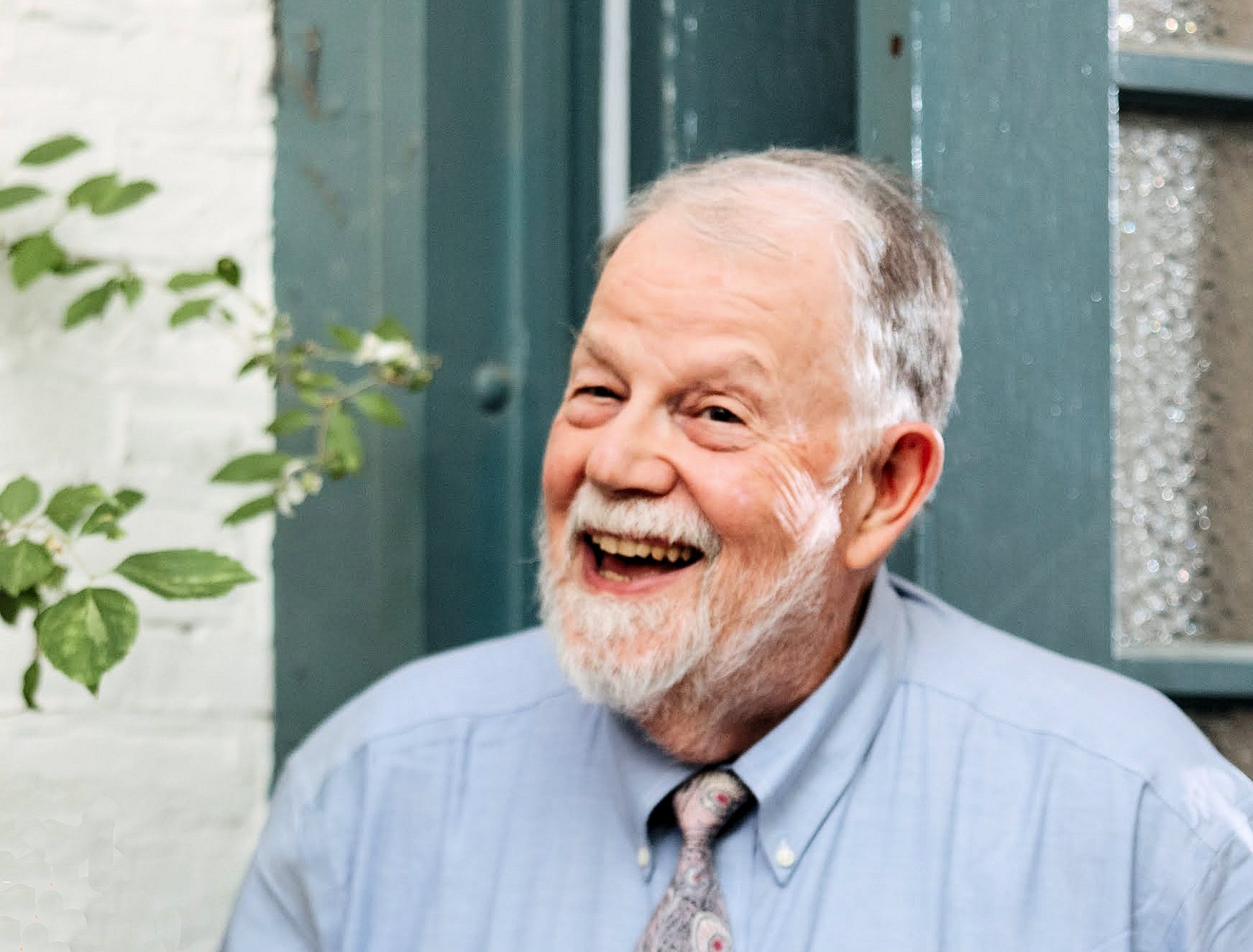
Throughout Marty Newell’s life and career, faith has been a throughline, shaping how he understands social movements, rural institutions, and the people at the center of both.
As a 17-year-old, Marty was a founding member of Appalshop, the award-winning media and cultural organization based in his hometown of Whitesburg, Kentucky. His career continued in media-making and nonprofit leadership, at Appalshop and beyond.
Today, as a leader in Rural Strategies’ Rural Faith Initiative, he’s paying close attention to how congregations and faith leaders see their role in their communities — and what their work can teach the rest of us.
We talked with Marty about faith in his life and career, and what he’s learning now.
Tracy: What have you learned or observed about faith and rural communities over the course of your life?
Marty: Church was always part of the hub for us. I grew up in coal camps in eastern Kentucky and southwestern Virginia. We moved when dad got laid off. When you were living in company housing, getting laid off meant you were out of a job and also homeless (That’s a) significant imperative to go find something else and move along. Wherever it was, church was part of it. I grew up in the United Methodist Church. It was a big place for our social life — what you did at least a couple days a week. The church youth group was one of my groups to hang out with.
When we moved to Whitesburg, our pastor decided we could be a stopping point for folks/groups headed from the North down south to work in the (civil rights) movement.
A couple times some groups of young folks came and stayed with families on their way to do organizing work in the Black Belt. I was meeting people from a different place — urban people of color coming and hanging out in the church basement and getting to visit and learn about something different. Learning about a different culture is not an easy thing to do when you are immersed and surrounded by your own. It was a place to talk about issues of the day when you were younger.
Another pastor (the Methodist church rotates pastors pretty regularly. Just when you get used to someone the conference moves them along to another church. who had a previous career as a bench chemist and came to his calling later in life, came to Whitesburg. My high school chemistry teacher got sick and there was nobody who could have taught that class. The pastor became my chemistry teacher too. We got to know each other pretty well. In high school I was regularly conducting the service. I got to speak in church a number of times.
Tracy: Did you think you were headed for the ministry?
Marty: There were folks in my church community who did. When someone brought it up to my mom, she would say, “I am not sure Marty and the Lord will ever see eye to eye.” I never felt the call.
That chemistry teacher shared with me a small book he’d coauthored with an African Methodist Episcopal (AME) Church bishop — Facing Poverty Redemptively — a solid call to action in the social mission of the church. I responded well to that and saw that as the right fit. I understood that frame, even when I didn't see that lived out in the institutional church. Throughout my life, I have been mentored and guided by preachers.
Tracy: Did you think you were headed for the ministry?
Marty: There were folks in my church community who did. When someone brought it up to my mom, she would say, “I am not sure Marty and the Lord will ever see eye to eye.” I never felt the call.
That chemistry teacher shared with me a small book he’d coauthored with an African Methodist Episcopal (AME) Church bishop — Facing Poverty Redemptively — a solid call to action in the social mission of the church. I responded well to that and saw that as the right fit. I understood that frame, even when I didn't see that lived out in the institutional church. Throughout my life, I have been mentored and guided by preachers.
Tracy: How has faith shown up in your career?
Marty: The first grant we got on our own at Appalshop was from a youth grantmaking program of the Episcopal Church., Shortly after we got that money, the funder needed to do a film report to the church’s General Convention about what these grants have done. They contacted a producer in the New York area who had done work with them in the past.. Al Cox was a Methodist minister who had been the National Council of Churches’ liaison with CBS News and began writing for television and started his own production company. They asked Rev. Cox to produce, and seeing a film production grantee on the list he says “Let’s let the kids do the tech on it.” He called us up and said “Are you interested?”
I went on the road with Al. It was the first time I crossed the Mississippi River. We did shoots all over the country. Ozarks in Arkansas. An Asian arts group in Southern California, a full blown hippie outfit in Haight Ashbury. The last shoot was Black Panthers in Chicago. Al ended up being a lifelong friend and mentor.
Appalshop’s interactions with faith communities continued. Whether it was the black lung movement or United Mine Workers organizing or welfare rights, people of faith were always at the center of those. Catholic pastoral letters were always terrific ways to frame social movements. Faith was always part of the story. But when I think about pieces we’ve done at Rural Strategies, all of the Gulf Coast work we did after hurricanes Rita and Katrina, there are people of faith at the heart of the rebuilding and renewal and recovery efforts.
Tracy: Tell me about your work with the Rural Faith Initiative.
Marty: I’m paying attention to how (the other Lilly partners) see their role in communities and what can we extrapolate from that. What kind of light can we see and then share with other communities? What is there for them to learn?
I appreciate the learning opportunity I’m getting there, and I’m looking forward to more deeper conversations with the folks with whom other grantees are working. The grantees have been terrific about inviting us in.
Tracy: As this faith initiative moves forward, what gives you hope about the role faith communities can play in rural places?
Marty: I’m more convinced than ever that among the things rural communities need to survive are institutions like communities of faith. That is as important as affordable broadband or good roads. You can do this one thing and everything will be hunky dory. To address the full range of challenges that are presented by being in a place where you do not have enough resources, you don’t have enough capital, you don’t have as many people to be successful there, you have to put all of that together.
About Marty
Marty Newell is the chief operating officer of the Center for Rural Strategies. Before helping found Rural Strategies, Marty served as an executive director of the Kentukcy Arts Council, general manager of Austin (Texas) Community Television, development director for the Connecticut Food Bank, and as a private consultant to such organizations as the Rural School and Community Trust, National Endowment for the Arts, Appalachain Regional Commission, the U.S. Department of Agriculture, numerous private foundations, and many nonprofit organizations. As a 17-year-old, Marty was a founding member of Appalshop, the award-winning media nad cultural organizaion based in his hometown of Whitesburg, Kentucky. He served in a variety of production and administrative roles for nearly 20 years at Appalshop including creating the Headwaters television series and as general manager of WMMT-FM. Marty received his bachelor's degree in film and Appalachian studies from the Union Institute. He lives in Central Kentucky and New York's Adirondack Mountains.